
B1 in German… but can I actually speak it?
This week I finished a B1 German course by the Goethe Institut,
which means I can now share some of my thoughts in German, as long as I’m willing to explain them in a completely different way from the one I originally had in mind.
When you start learning a language, the process sometimes involves replacing words you don’t know with simpler ones.
For example, last week at a Sprachcafé (a language practice meetup), I wanted to say that somebody had passed away, but I couldn’t remember gestorben (“died”). Instead, I said:
“Wenn jemand kaputt wurde.”
Which basically means something like: “when somebody became broken / stopped working.”
Not exactly what I was going for.
Although the story is funny, I think it’s also a good example of how we can explain things that seem complex in our heads using much simpler ideas. Sometimes you start the sentence again. Sometimes you find another word. Sometimes the grammar is definitely not correct. But what matters most is that the message comes across.
Somewhere during the course, I realized that this process felt strangely familiar.
It’s also what I do when I communicate science.
A scientist may have a very precise and technical way of explaining something, but the audience doesn’t necessarily share the same vocabulary. So the job isn’t simply to remove jargon. It’s about finding another route to the same meaning.
But what does simplification actually mean?
To me, it means first asking who the message is for. Then: What does this person actually need to understand? What is essential and what isn’t? Could something be explained through an example? Would an image make it clearer than another paragraph?
When learning German, I’m forced to do this because I literally don’t have access (yet!) to all the words I would normally use. And limited vocabulary has made me surprisingly resourceful.
Of course, not everything about that is fun. Sometimes I really do want precision. Simplicity is useful when it’s a choice. It becomes much more frustrating when it’s imposed on you by your vocabulary. In German, my ideas can sound much simpler than they would in English or Spanish. I know what I want to say, but I don’t always have the tools to say it yet.
So after finishing B1, I’m starting to think less in terms of “Can I speak German or not?” and more in terms of gradually being able to express increasingly complex ideas. First the simple version. Then a little more detail. Then a little more precision.
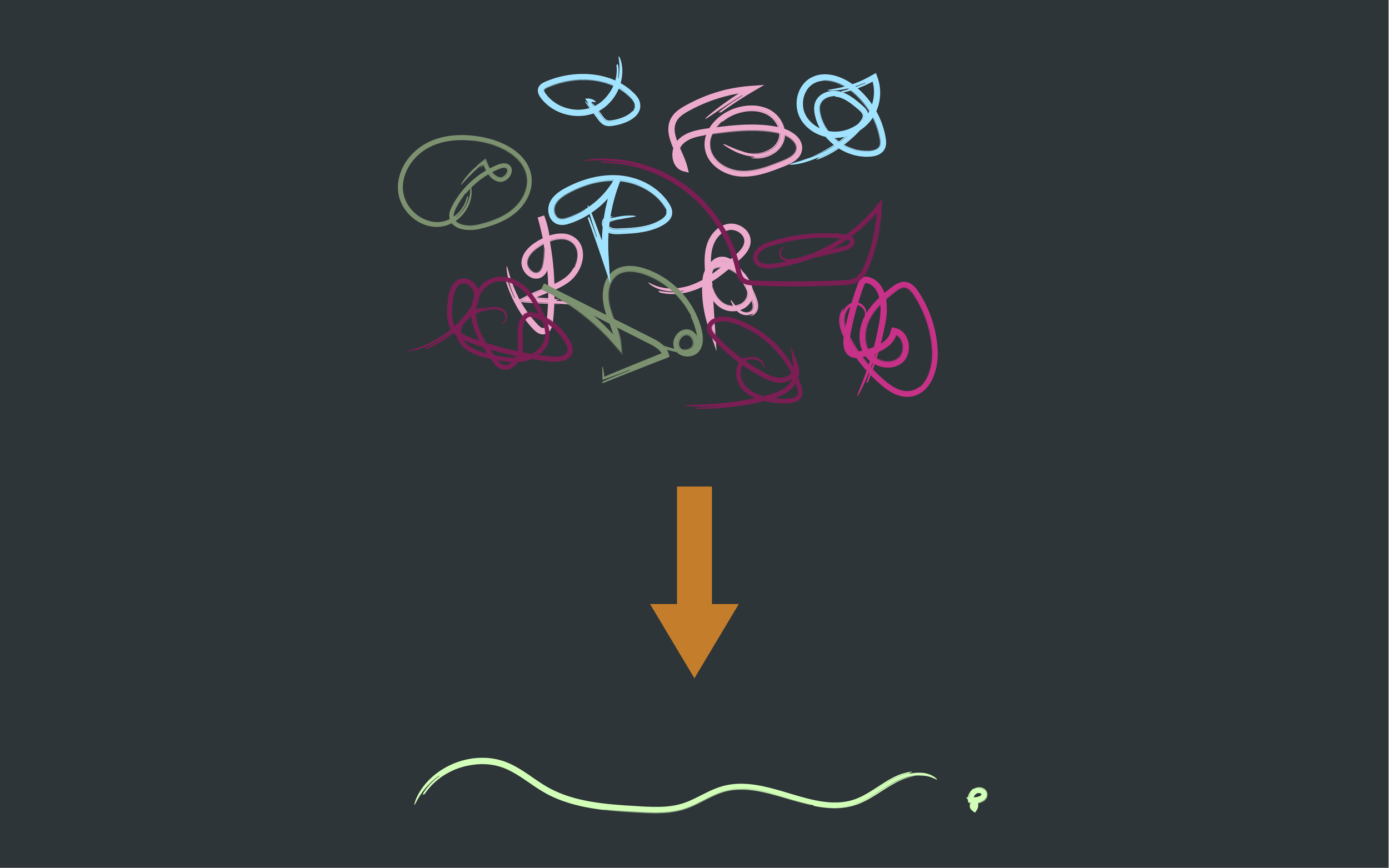
Step by step.
And maybe that’s also a useful reminder for my work: complexity can always come later. First, we need to understand each other.
I especially like the ending this way because your original “simplicity is also needed” was pointing toward the right idea, but it wasn’t quite landing. “Complexity can always come later. First, we need to understand each other.” ties the German story back to science communication without making the whole post sound like a business lesson.
